
.png?width=225&height=127&name=edt%20logo%20black%20(3200x1800px).png "EDT main logo blue")
Partnering with purpose to tackle the biggest challenges in:
.png?width=400&height=400&name=EWF%20post-it%20example%20(25).png "Early childhood care and education")
Too many children start school without strong foundations because early education is too often undervalued and inconsistently delivered. Outcomes improve when access is matched by quality, and when early years educators receive sustained, practice-focused support within a coherent system that strengthens everyday teaching.
.jpg)
Challenge #1
How can we ensure that no child starts school without the foundations to learn and thrive?
Too often, children start school without the foundations to learn and thrive. This is all the more common when early childhood education is treated as peripheral rather than essential. Gaps in language, early numeracy, and social development are already established before children enter primary school, particularly in the most marginalised communities, and among children with additional developmental or learning needs. Our work shows that foundational learning depends not just on access to pre-primary provision for all children, but on the quality and consistency of early learning.
What makes the difference is strengthening everyday practice. From phonics and early literacy in Brunei to play based, inclusive approaches through INSPIRED in Kenya, edt’s work highlights that children benefit when early years educators are supported to apply evidence in the classroom, with ongoing coaching and practical tools that improve teaching in real time. These improvements are most effective when they are reinforced at system level – linking curriculum, assessment, and teacher support.
Challenge #2
Early childhood professionals shape future education outcomes – what more must we do to properly support and strengthen this workforce?
Early childhood professionals play a decisive role in shaping children’s future learning, yet in many systems they remain undervalued and under-supported. Too often, they lack access to high quality training, clear career pathways, and the status afforded to the wider education workforce, limiting the impact they can have on children’s early development.
We believe that what makes the difference is sustained, practice-focused support. Our experience – from the UK to Brunei to Kenya – shows that when early years educators are equipped to apply evidence in the classroom, children’s learning improves in ways that endure. Our phonics and early literacy work in Brunei, for example, demonstrates how clear instructional approaches, combined with ongoing coaching, can strengthen early years teaching and accelerate children’s language development. Similarly, through the INSPIRED programme in Kenya, we are working with the government to support early childhood educators in applying play-based, inclusive, and culturally responsive pedagogy, ensuring that professional learning translates into richer early learning experiences, particularly for marginalised children.
Lasting change, however, also depends on system-level support. In Zimbabwe, our work with the Roger Federer Foundation and Zimbabwean government on the School Readiness Initiative clearly shows how early childhood professionals are most effective when they are embedded within a coherent system – linking community provision, schools, mentoring, and government oversight.
Investing in the future outcomes of the youngest children means that systems must invest in the skills, status, and support of those working with them – and recognise that strengthening this workforce is one of the most powerful levers for long-term education reform.
.jpg)
Let's work together
What's the biggest challenge you're facing?
edt works strategically with partners around the world to design and implement solutions to the most pressing education challenges. To further explore the importance of strengthening the early childhood education workforce, or how our approaches could help strengthen foundational learning in your system, get in touch.
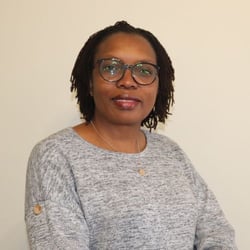
Contact Faith Nkala, Director Sub-Saharan Africa
Faith is a results-driven leader in international education and development with more than 20 years of experience in designing and implementing effective development strategies across diverse African contexts. She has a strong track record of collaborating with governments, INGOs, and funding bodies.
Email: fnkala@edt.org
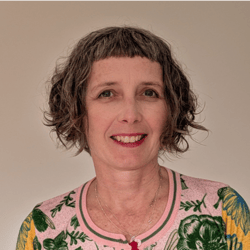
Contact Marion Smallbones, Lead Adviser, Insights and Innovation
Marion leads evidence-informed strategy and knowledge management at edt, consolidating insights and translating research into solutions to address global education challenges. She brings extensive international experience supporting system-wide reform to improve learning quality and equity.